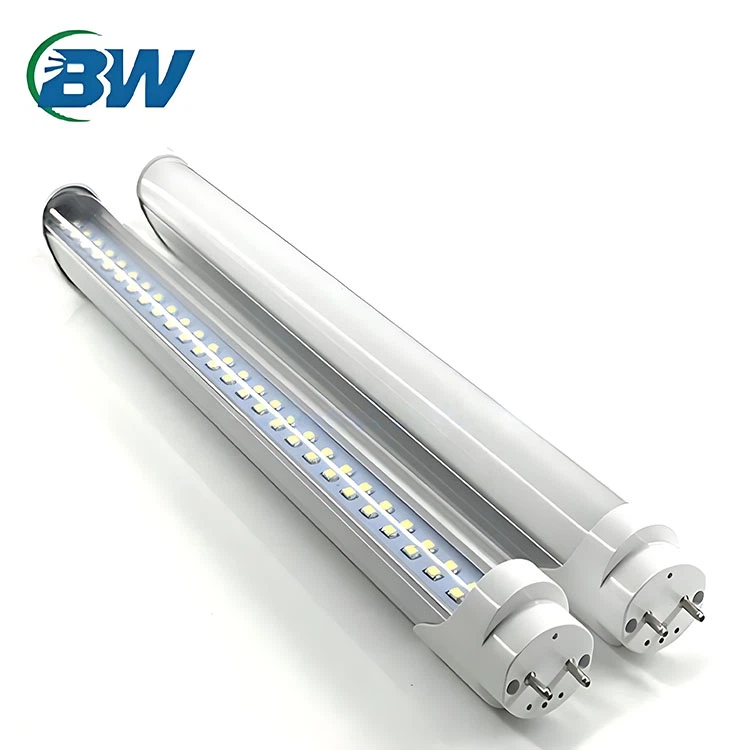
The word "troffer lighting," also known as "recessed troffer lighting," is frequently used to characterize interior lighting devices that are installed inside of a ceiling or ceiling grid. Troffers in the proportions 1x4, 2x2, and 2x4 are typical attachment sizes. This kind of internal lighting is used frequently for business lighting, industrial lighting, store lighting, warehouse lighting, and school lighting uses. It can be found in a variety of building kinds and working settings.
Here are a few illustrations of how troffer illumination has been used. The images below are just a fast visual selection and by no means reflect all the different kinds of 1x4 troffer, 2x2 troffer, and 2x4 troffer uses.


The majority of concealed troffer lighting fixtures currently in use use fluorescent lights like T12, T8, and occasionally T5 bulbs.
You can study the following comparative articles to discover more about the variations among these kinds of fluorescent lights:
Lighting Comparison: LED vs. Metal Halide
Lighting Comparison: LED vs. High Pressure Sodium (HPS)
Lighting Comparison: LED vs. Low Pressure Sodium (LPS)
Typical Problems
What are some typical problems with uses of traditional incandescent troffer lighting?
The use of fluorescent lights and fluorescent troffer illumination comes with a number of drawbacks. Even though the bulbs can be very inexpensive, the fact that individual fluorescent light fixtures frequently use numerous lights per fixture often causes individual fluorescent light problems that exacerbate performance issues within the fixtures.
Electricity Prices
Most 2x4 troffers use four fluorescent bulbs per fixture, adding up to 160 watts per fixture. A four foot fluorescent light usually uses between 28 and 40 watts per lightbulb. The annual energy expenses for a single 2x4 troffer can reach $84 per outlet.
cost of maintenance
The practical utilization of the lights inside a fluorescent troffer luminaire determines how much upkeep is required. The usable life of fluorescent lights quickly degrades when used in frigid locations or in settings where the lamps are continuously turned on and off. The cathodes (the fluorescent light starting mechanism) inside the tubes deteriorate each time a fluorescent lamp is switched on. As a consequence, lights last less time and need to be replaced more frequently. The lifespan of a fluorescent lamp is between 10,000 and 30,000 hours. Fluorescent recessed troffer lights can easily cost $2,952 in labor and bulb expenses over the span of three years for a typical classroom or workplace area.
Luminous Efficiency
Depending on the sort of fluorescent bulb already in place, the efficacy of fluorescent tubes in troffer illumination uses will differ. The most popular kinds of bulbs used in fluorescent light fittings are T12 and T8 fluorescent tubes. Between T8 and T12 lights, there are significant differences in lighting performance, and the quality of these lamps can be determined by the maker. Recessed troffers use numerous tubes per luminaire, which is the main reason for efficiency problems in terms of illumination. The performance and appearance of a light are compromised as individual bulbs inside of it start to fail. Additionally, the majority of fluorescent lighting uses are NOT adjustable, making it impossible for a user to adjust if the performance specifications within a particular area change.