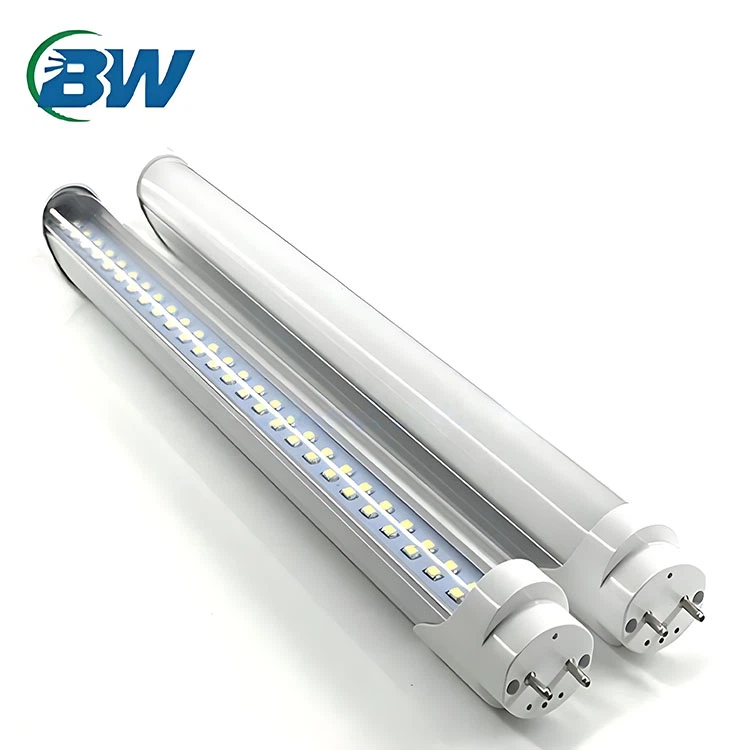
stic difuzija skydai. Kai pirkimas vaikams, žema spalva temperatūra apšvietimas armatūra turėtų būti pasirinkta. Zhang Shanduan said that after conducting experimental tests on various light sources such as LED, incandescent, energy-advokative, they found that LED lamps with transparent emitting surfaces have much higher "blue light dose" kaitinamosios ir energijos taupymo lempos lempos. Tačiau, LED lempos su plastiku difuzija plokštės on the emitting surface have labai žema mėlyna šviesa dozė, žemesnė nei kaitrinės ir energijos taupymo lempos. Todėl, kai naudojant LED žibintai for indoor lighting, it is rekomenduoja to choose lamps with plastic diffusion plates.
At dabar, dažniausiai naudojama technologija for LED lempos in the market is' blue light chip+yellow fluorescencinė powder ', which results in a relatetively high content of blue light in LED lights. Tačiau, this does not mean that LED lamps are more eye damageging than other lamps. "Zhang Shanduan said that in their comparative experiment, the safety of LED lamps with the same color temperature and energy-saving lamps was beveik the tas pats.
Spalva temperatūra yra labiausiai universalus indikatorius of the spectral quality of a light source. Warm light has a lower color temperature, while cool light has a relate higher color temperature. After the color temperature increases, the proportion of blue radiation increases, and blue light increases atitinkamai. Tuo tarpu, ryškumas taip pat paveikia the proporcija of blue light. Paprastai kalbant, fluorescencinės lempos ir LED lempos su the same color temperature, as long as the brightness of the latter does not exceed three times that of the former, there is iš esmės no harm. Tačiau, kai kurie per daug ryškus LED apšvietimas armatūra gali turėti a mėlyna šviesa santykis kad viršija the safe value. Zhang Shanduan said that with increasing maturity of LED technology, manufacturers no longer need to blindly increase the color temperature and power of lamps to achieve high brightness, which objektyviai reduce the opportunity of excessive blue light.
Saulė Xinghuai, the director of Shanghai Eye, Ear, Nose and Throat Hospital, said that blue light is not unique to LED lights. Both mobile phones and computer screens are rich in blue light, and the hospital has never received a case of eye injury caused by the use of LED lights.
Yu Anqi, director of the National Electric Light Source Quality Supervision and Inspection Center (Shanghai), believes that answering this question is as difficult as answering whether too much sunlight is safe. Generally speaking, sunlight is safe; But if you stare at the sun, it can cause eye burns.
The National Semiconductor Lighting Engineering R&D and Industry Alliance and the China Lighting Society neseniai organizuota more than 10 gerai žinomi ekspertai in China to discuss the issue of whether blue light is harmful to the eyes, and formed a white paper entitled "General Light LED and Blue Light". Profesorius Zhou Taiming, the expert representative of the white paper writing team, introduced that "the blue light irradiation of white LED light source on the retina of the human eye is similar to that of traditional light sources such as fluorescencinės lempos ir metalas halogenidas lempos, and will not cause harm to the human eye